
Ceramic coating helps protect a vehicle's painted surfaces by creating a cured protective layer that supports easier cleaning, improved water beading, and a richer overall finish. A well-selected and properly maintained coating can help reduce how strongly dirt, road film, and environmental fallout cling to the surface.
It is important to set the right expectations. Ceramic coating does not make a vehicle immune to scratches or chips, and it does not replace proper washing and maintenance. It also does not correct existing paint damage unless the surface is prepared and corrected beforehand.
That is especially important for vehicle owners in St. James, Babylon, and surrounding Long Island communities, where vehicles are exposed to seasonal weather changes, road residue, bug buildup, pollen, and other contaminants. Choosing the right protection system depends on how the vehicle is driven, where it is parked, the current condition of the paint, and what level of upkeep the owner wants.
At Quality Auto Spa in St. James, vehicle owners can explore ceramic coating services as part of a broader strategy for protecting appearance, supporting easier maintenance, and preserving long-term finish quality.
What Ceramic Coating Actually Does
Automotive paint already has a factory clear coat over the color layer. Ceramic coating is applied over a properly prepared surface and cures into an additional protective layer. The exact chemistry and performance depend on the product, so broad claims should not be treated as universal specifications.
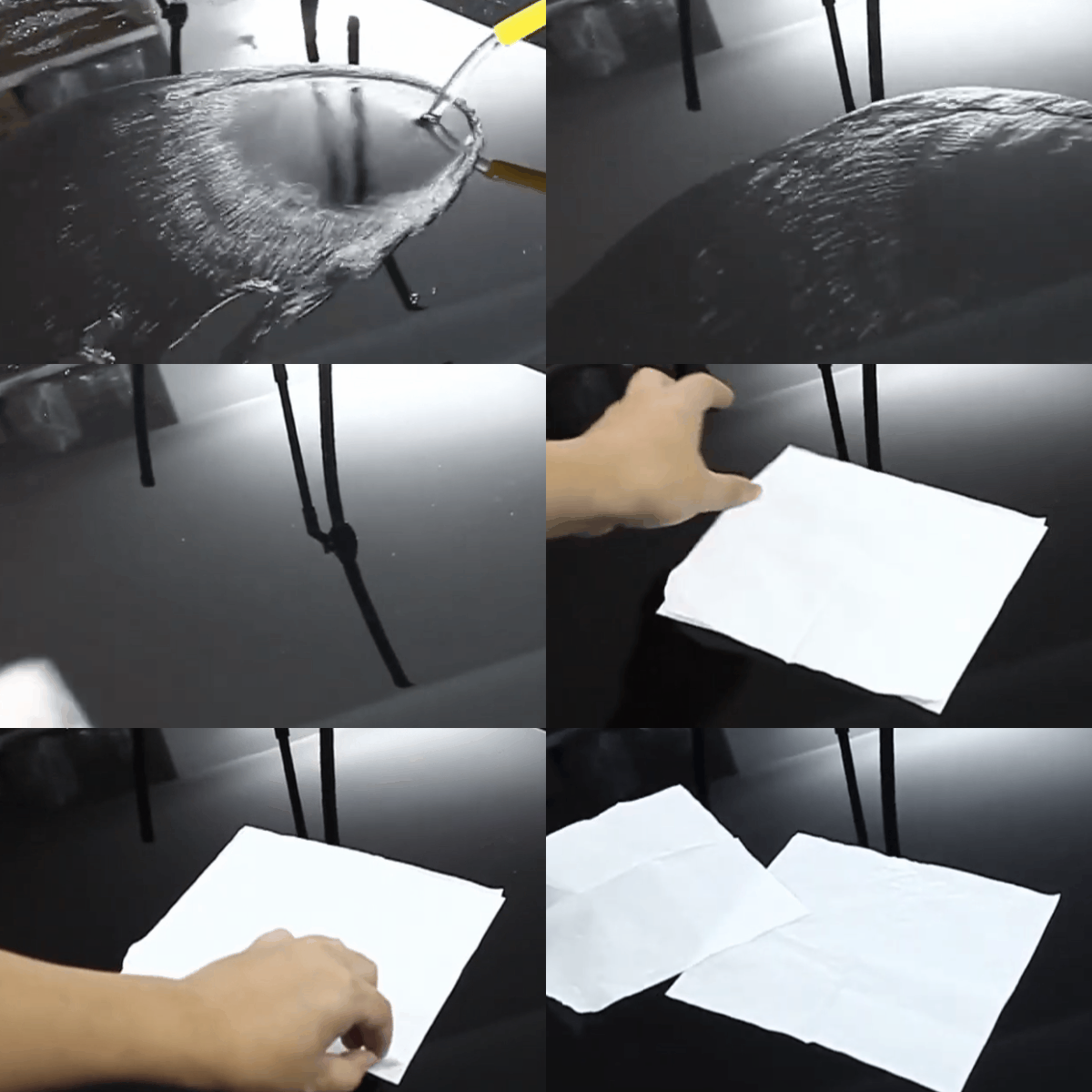
First, it changes how water behaves on the surface. A hydrophobic coating encourages water to bead and shed more readily. That can make rainwater and wash water easier to manage, although water can still leave mineral spots if it is allowed to dry on the surface.
Second, a coating can make routine dirt and contamination less likely to cling as stubbornly to the paint. That does not make the vehicle self-cleaning. It means normal washing can be easier when the coating is maintained correctly.
Third, ceramic coatings are used to add resistance against environmental contamination and exposure. Current Ceramic Pro product information describes its automotive coatings in terms of hydrophobic performance, gloss, and resistance to contaminants, oxidation, and UV-related damage. Those are surface-protection benefits, not a promise that every type of damage will be prevented.
Fourth, a coating can enhance gloss and visual clarity. The final appearance still depends heavily on what is underneath it. Clean, well-prepared paint usually gives the coating a better surface to bond to and a better finish to preserve.
- ✓ Vehicle-specific guidance
- ✓ Straightforward service recommendations
- ✓ Local team in St. James, New York
What Ceramic Coating Does Not Protect Against
The easiest way to understand ceramic coating is to separate surface protection from physical impact protection.
A coating may add some resistance to light surface marring depending on the system, but it should not be treated as scratch-proof. Abrasive contact can still mark the paint. Dirty wash media, automatic brushes, dragging dry towels across contamination, keys, branches, and other physical contact can still cause damage.
A coating also is not rock-chip armor. Small stones and road debris can strike the paint with enough force to chip or cut through the clear coat. If rock chips, highway debris, and repeated impact are the main concern, paint protection film options are the more relevant category to compare because PPF places a physical film over the paint.
Ceramic coating also does not make contamination harmless. Bird droppings, tree sap, bug residue, tar, pollen, road grime, and mineral-rich water can still create problems if they remain on the surface. Ceramic Pro’s current aftercare guidance specifically warns that sticky contaminants can bond to a coated surface, particularly with sun and heat exposure, and recommends prompt, gentle removal.
Finally, coating is not paint correction. If a panel already has visible swirls, scratches, oxidation, water-spot etching, or other defects, coating it does not remove those defects.
Ceramic Coating vs Paint Protection Film
Ceramic coating and paint protection film solve different problems.
Ceramic coating is a liquid-applied surface treatment. It is most closely associated with hydrophobic behavior, gloss, easier maintenance, and resistance to environmental contamination.
PPF is a physical film. Its role is to put a sacrificial material between the paint and the outside world, making it the stronger choice when the priority is reducing damage from small impacts, road debris, abrasion, and rock chips.
Some vehicle owners choose one. Others use both on different parts of the vehicle or layer a coating over compatible film according to the product manufacturer’s instructions. The right choice depends on the problem being solved. There is no reason to pay for impact-focused protection if the owner’s main priority is easier cleaning, and there is no reason to expect a liquid coating to perform the job of a physical film.
Why Paint Condition and Preparation Matter Before Coating
Ceramic coating should not be thought of as a product that simply gets wiped onto any paint surface.
The paint first needs to be evaluated. Dirt, bonded contamination, old protection products, and residues can interfere with preparation. Decontamination is used to create a cleaner surface before coating.
Paint correction is a separate decision. It uses polishing to improve certain paint defects before protection is applied. A newer vehicle with paint in very good condition may not need the same correction work as an older daily driver with visible swirls and oxidation. The goal should be to correct what is appropriate for the paint condition and the owner’s expectations, not to force every vehicle into the same correction package.
This is also why coating an imperfect surface can be disappointing. The coating may add gloss, but it does not hide deeper defects. In many cases, it makes sense to address the finish first because the protection is being applied over whatever condition is left underneath.
For vehicles that need broader cleaning, decontamination, or paint-condition work before protection, Quality Auto Spa's auto detailing services provide a related care path that can be discussed before coating decisions are finalized.
How Long Does Ceramic Coating Last?
There is no responsible single-number answer to ceramic coating lifespan.
Durability depends on the exact coating system, surface preparation, application, driving mileage, parking environment, weather exposure, wash method, chemical exposure, how quickly contamination is removed, and whether the system has required maintenance or inspection steps.
This is why a warranty period should not be treated as a universal prediction of how every coated car will look or behave for that entire period. A written warranty can have product-specific terms, exclusions, maintenance requirements, and inspection conditions. Those details should be reviewed for the exact coating being installed.
When comparing ceramic coating packages, ask for the current written product and warranty information rather than relying on a generic claim such as "lasts for years." Ask what is installed, what surfaces are included, what maintenance is required, and what conditions can affect coverage or performance.
- What exact coating product is being installed?
- Which vehicle surfaces are included?
- What maintenance is required?
- What can affect warranty coverage or performance?
- ✓ Vehicle-specific guidance
- ✓ Straightforward service recommendations
- ✓ Local team in St. James, New York
Ceramic Coating Still Needs Maintenance
A coated vehicle still needs to be washed.
Ceramic Pro's current aftercare guidance states directly that its coatings are not bulletproof and require routine care. It recommends coating-safe wash methods and warns against automatic brush-style car washes, abrasive wiping on a dry surface, and harsh or incompatible chemicals.
The practical maintenance goals are straightforward:
- ✓ Remove loose dirt before making contact with the paint.
- ✓ Use clean, coating-safe wash media and appropriate soap for the installed system.
- ✓ Avoid dragging contaminated or abrasive material across the surface.
- ✓ Wash and dry out of direct heat when practical.
- ✓ Remove bird droppings, bug residue, sap, tar, and similar contamination promptly and gently.
- ✓ Do not assume water beading means the surface is clean.
- ✓ Follow the cure-period and aftercare instructions for the exact installed coating.
Wash frequency should be based on how quickly the vehicle gets dirty, where it is parked, seasonal exposure, and the coating manufacturer's instructions. Ceramic Pro publishes its own maintenance schedule for its systems, but that schedule should not be turned into a universal rule for every ceramic coating on the market.
Vehicle owners who prefer professional maintenance can also ask about a hand washing service that is appropriate for coated vehicles.
Water Beading Is Helpful, but It Is Not the Same as Water-Spot Protection
Strong water beading is one of the most visible behaviors associated with ceramic coating. It is useful, but it can be misunderstood.
Water droplets can still contain dissolved minerals. If those droplets remain on a warm surface and evaporate, minerals can be left behind. That can produce visible spotting even when the coating is behaving hydrophobically.
The same principle applies to rain, sprinklers, puddle splash, and wash water. A coating can change how the water moves across the surface, but it does not make mineral deposits impossible.
Good drying practices, prompt cleaning, and the correct product-specific maintenance process still matter.
What Long Island Conditions Change About Ceramic Coating Ownership
Long Island drivers deal with a mix of seasonal contamination that makes realistic maintenance more important than marketing language.
Winter road treatment is one example. The New York State Department of Transportation uses both granular road salt and salt brine as part of winter road maintenance. NYSDOT has also used direct liquid salt-brine application on Loop Parkway in Nassau County as part of its salt-management program. That does not mean every Long Island road receives the same treatment, but it confirms that salt and brine are part of the regional winter-driving environment.
A ceramic coating can make routine cleaning of road film and residue easier, but it does not mean winter contamination can simply be left on the vehicle. Regular removal remains important.
Other local ownership factors can matter too:
- ✓ Outdoor parking can increase exposure to pollen, tree sap, bird droppings, rain, and sprinkler water.
- ✓ Frequent highway driving can increase road-film exposure and physical impacts. Coating can help with surface maintenance, but PPF is the more relevant comparison for rock-chip protection.
- ✓ Warm summer panels can make contaminants and water deposits harder to deal with if they are left to bake on the surface.
- ✓ Long gaps between washes can allow contamination to accumulate even when the coating still beads water.
For drivers using Quality Auto Spa's automotive protection services in St. James , the useful conversation is not simply "Do I need ceramic coating?" It is "What protection problem am I trying to solve, and how will I maintain the vehicle afterward?"
Who Is Ceramic Coating a Good Fit For?
Ceramic coating can be a strong fit for a daily driver, weekend car, luxury vehicle, truck, or enthusiast vehicle when the owner's priorities match what the coating actually does.
- ✓ Want a glossier, more hydrophobic surface.
- ✓ Want routine washing and contamination removal to be more manageable.
- ✓ Plan to keep the vehicle maintained rather than relying on aggressive automatic washes.
- ✓ Want environmental surface protection but do not expect rock-chip armor.
- ✓ Are willing to prepare the paint properly before installation.
- ✓ Understand that product choice and aftercare affect long-term performance.
- × Primarily want protection from rock chips and highway debris.
- × Expect the surface to become scratch-proof.
- × Want to stop washing the vehicle after installation.
- × Have significant paint defects but do not want to address the condition before coating.
- × Plan to continue using wash methods that can abrade the finish.
For many owners, the decision becomes clearer once protection goals are separated into two categories: surface behavior and environmental resistance on one side, and physical impact protection on the other.
What to Ask Before Choosing a Ceramic Coating
A good ceramic coating decision depends on the exact system and the work surrounding it. Before choosing a package, ask questions that make the scope clear.
What exact coating product or system will be installed?
Ask for the current product name and written information. Avoid choosing only from labels such as "ceramic," "9H," or a warranty length without understanding what is actually included.
What surfaces are included?
Paint, wheels, glass, plastics, trim, and other surfaces can use different products. Confirm what the quoted service actually covers.
What preparation is included?
Ask how the vehicle will be washed, decontaminated, inspected, and prepared before application.
Is paint correction included or recommended?
The answer should depend on the paint condition and desired result. Correction is not the same thing as coating.
What are the cure and first-wash instructions?
Follow the exact installer and manufacturer guidance for the system being applied. Do not assume every coating has the same cure window.
What routine maintenance is required?
Ask what wash method, products, inspection schedule, and maintenance steps are recommended after installation.
What does the current warranty cover?
Request the current written terms. Pay attention to required maintenance, exclusions, inspection requirements, and the surfaces covered.
What should I realistically expect from scratches, chips, and water spots?
The answer should distinguish added surface resistance from damage-proof protection. If rock chips are the bigger concern, compare PPF.
The most useful quote is one that clearly explains the product, preparation, included surfaces, maintenance expectations, warranty terms, and realistic protection limits.
Ceramic Coating in St. James: Match the Protection to How You Use the Vehicle
Quality Auto Spa’s current verified location is in St. James, New York. For local drivers, coating decisions should start with how the vehicle is actually used.
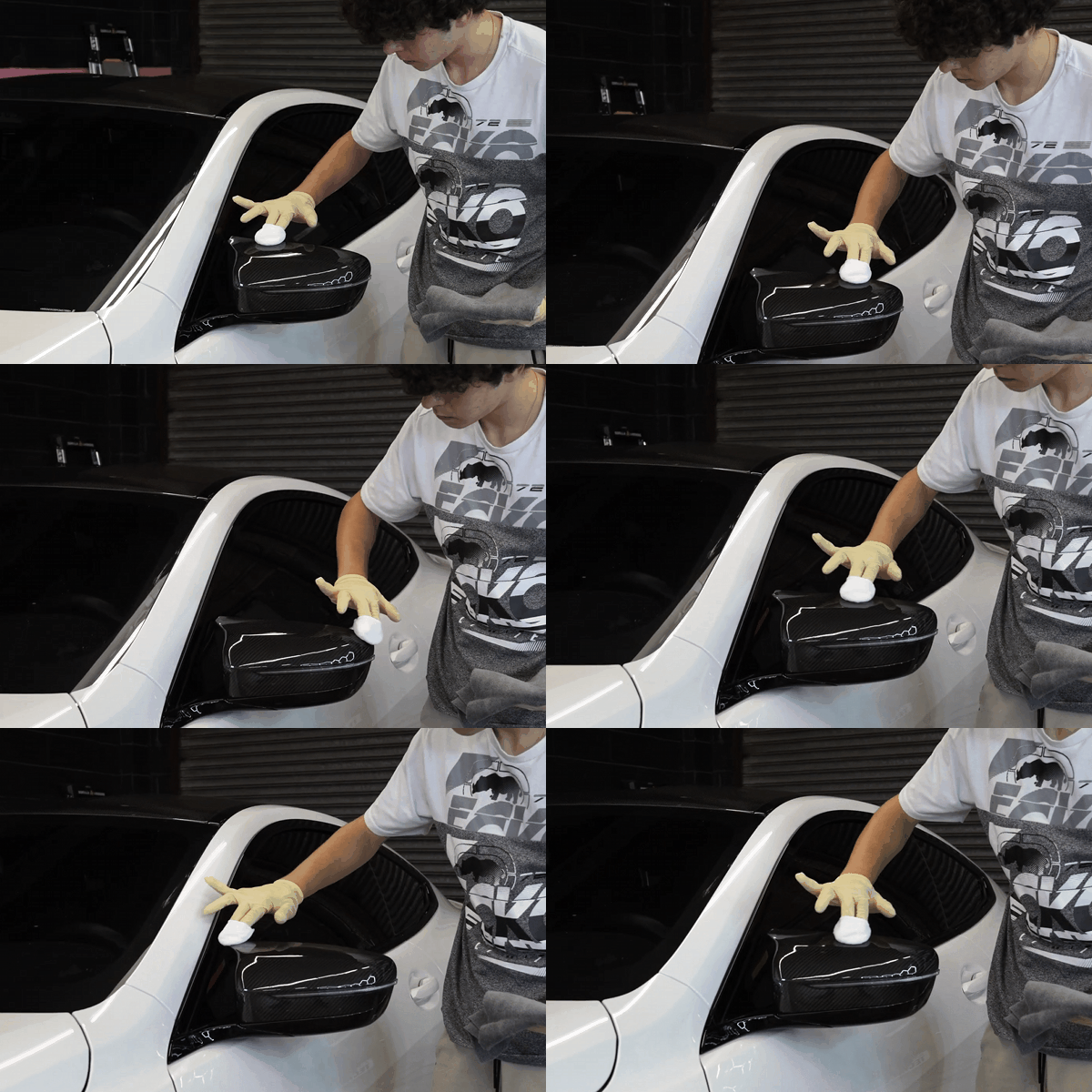
A garage-kept weekend vehicle has different exposure from a commuter that sits outside every day. A car that spends substantial time on highways has different protection needs from a vehicle used mostly for short local trips. A vehicle parked under trees has a different contamination profile from one parked indoors.
The same applies to maintenance. If an owner can wash safely and remove contamination promptly, ceramic coating may be easier to keep performing as intended. If the vehicle will continue through abrasive brush washes, the coating cannot prevent the physical marring those wash methods can cause.
The best package is therefore not the one with the biggest claim. It is the one that matches the paint condition, protection priorities, ownership habits, and current written product requirements.
The Bottom Line
Ceramic coating is best understood as a durable surface-protection and maintenance system, not as invisible armor.
It can improve gloss, water behavior, and resistance to everyday environmental contamination. It can make routine care easier. It cannot make paint scratch-proof, stop rock chips like PPF, hide existing defects, or eliminate maintenance.
For a Long Island vehicle, the value comes from combining the right coating with proper preparation and realistic aftercare. Before choosing a package, compare the exact product, included surfaces, preparation process, maintenance requirements, written warranty terms, and whether a different protection method would better solve the main problem.
Quality Auto Spa can discuss the current paint condition, how the vehicle is driven and parked, your maintenance habits, and whether ceramic coating, PPF, or another care approach better matches your goals. Review the current options before choosing a package, then request a quote through the verified contact page.
Frequently Asked Questions
Does ceramic coating make a car scratch-proof?
No. Ceramic coating should not be described as scratch-proof. Depending on the product, it may add resistance to light surface marring, but abrasive contact can still scratch or mark the paint.
Does ceramic coating stop rock chips?
No. Rock chips are caused by physical impacts. Paint protection film is the more relevant protection category when the goal is to place a physical sacrificial layer over high-impact paint areas.
Do you still have to wash a ceramic-coated car?
Yes. A coating can make routine cleaning easier, but dirt and contamination still accumulate. Current Ceramic Pro aftercare also requires routine maintenance and recommends coating-safe wash methods.
Can ceramic coating prevent water spots?
Not completely. Hydrophobic behavior helps water bead and shed, but mineral-containing water can still leave deposits if it dries on the surface. Proper washing and drying remain important.
Should paint correction be done before ceramic coating?
It depends on the paint condition and the desired finish. Coating does not remove existing defects. Paint correction may be useful when visible swirls, oxidation, etching, or other correctable defects should be improved before protection is applied.
How long does ceramic coating last?
There is no universal lifespan. The exact product, preparation, exposure, wash habits, contamination, maintenance, and warranty conditions all affect long-term performance. Review the current written information for the coating being installed.
Is ceramic coating worth it on a daily driver?
It can be when the owner’s goals are easier maintenance, hydrophobic surface behavior, gloss, and added environmental surface protection. It is a weaker fit when the main expectation is rock-chip protection, scratch-proof paint, or no ongoing washing.
How soon can I wash a car after ceramic coating?
Follow the cure and first-wash instructions for the exact coating system and installer. Cure guidance can vary, so a generic internet timeline should not override the current product instructions supplied with the installation.
Aon Malik is the owner of Quality Auto Spa in St. James, New York, a Ceramic Pro Elite Dealer specializing in professional automotive protection and appearance services. Through hands-on experience with vehicle care and protection, Aon helps drivers better understand their options for ceramic coatings, paint protection film, window tint, professional detailing, and related automotive services.
His goal is to provide clear, practical information so vehicle owners can make informed decisions based on their vehicle, driving habits, protection goals, and long-term care needs.
Quality Auto Spa
Ceramic Pro Saint James Elite Dealer in St. James, New York. Visit our studio, call our team, or open the location directly in Google Maps.
Open Quality Auto Spa in Google Maps- Monday 8:00 AM-5:30 PM
- Tuesday 8:00 AM-5:30 PM
- Wednesday 8:00 AM-5:30 PM
- Thursday 8:00 AM-5:30 PM
- Friday 8:00 AM-5:30 PM
- Saturday 8:00 AM-3:00 PM
- Sunday Closed